Grand Cayman Island:
The Present
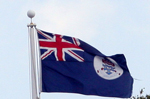
The modern history of Grand Cayman island and its sister islands, Little Cayman and Cayman Brac, began when the islands, then known as the Tortugas, were ceded to England by Spain in 1670.
For more about Grand Cayman’s past, visit our page History of the Cayman Islands.
For more about Grand Cayman’s present, continue reading..
Once mosquitoes, and consequently malaria, were eradicated, and modern tourist travel began to blossom, the islands were well-placed to cash in, something they hadn’t been able to do before.
One of the reasons they became popular with tourists is because, unlike many Caribbean islands, hurricanes are relatively rare in the Cayman Islands because of a combination of deep, cold waters surrounding the islands and being away from the main storm track. This keeps them safe when other islands and the mainland are regularly hit. If you do visit in hurricane season (June 1 to Nov 30), there’s a telephone number in the front of the hotel directory to call for up-to-the-minute information.
With all the visitors and the advent of offshore banking, Grand Cayman became one of the wealthiest Caribbean islands and prides itself on its sophistication and culture — and rightly so. It’s not just a place for sunseekers to dance all night and sleep on the beach all day. It’s an international banking center and that means international bankers live there. They require mental stimulation that doesn’t involve numbers.
One place they can get that is in Grand Cayman’s art galleries, which have now been augmented by a new National Gallery in the West End.
Grand Cayman island celebrates its past and present with a number of festivals throughout the year. Batabano, held in spring, right after Ash Wednesday, is Grand Cayman’s Carnival and it has the same feel as the Rio or New Orleans carnivals, with floats, costumes, music, and dance. It maybe worth planning your Cayman vacation to catch this or one of the other festivals.
Also, for next year’s Grand Cayman festivals dates, visit our page - 2014 Calendar.
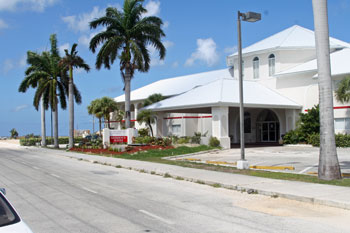
Another way to visit, is to attend Grand Cayman University. St. Matthews has a Medical school on the outskirts of George Town. We hoped to persuade our daughter to study medicine here, so we could have even more excuses to visit but she chose to go farther afield. Probably just as well, I don’t know how anyone can study seriously when Seven Mile Beach is less than a hundred yards away and the thermometer is always set to ‘beach’.
Want to know what’s going on *right now* in the Cayman Islands? Cayman’s newspapers can keep you current. Our Cayman newspapers page has the links.
Return to Home Page from Grand Cayman Island

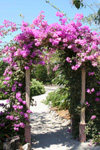
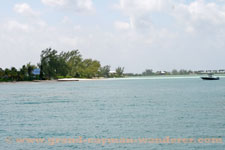
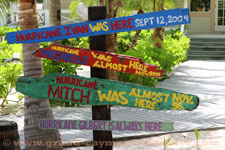


Cayman Pictures
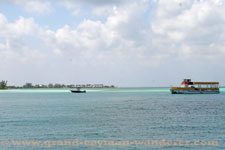
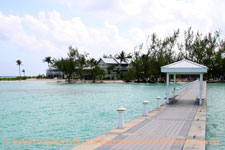
Cayman Pictures
To review Grand Cayman Wanderer's site information, visit our pages About Us, Disclaimer and Privacy Policy
'A wanderer on the face of the earth'
Charlotte Bronte, Jane Eyre and also Dorothy L. Sayers, Five Red Herrings
© Copyright 2007-2015 by Paul James, Grand-Cayman-Wanderer.com
Powered By
SBI!
